
Facilitating mental health interventions can be intimidating for everybody involved. If you are considering holding an intervention for somebody you care about, you might be wondering how to approach this process. How do you hold an intervention? And how can you help your loved one fight against mental health and addiction struggles?
Below, we examine different types of interventions, strategies to prevent mental illness, and all of the different treatment options that could help you or somebody you love recover from mental health disorders.
Different Types of Mental Health Interventions and What They Do
Mental health interventions don’t always look the way that they do in movies. It’s true that some interventions are led by family members and friends who want their loved one to receive help but aren’t sure how to help them. But there are actually different types of interventions that go beyond simply sitting down with the person you care about to express your concerns.
When you break down “interventions,” you get the word “intervene,” which usually means to interrupt a situation that could cause harm. In the case of mental health and addiction, interventions can also be any type of therapeutic approach meant to help someone take the next step toward recovery. Interventions usually involve a support team, professional help, and evidence-based treatment approaches. Now, let’s dive into some of the most effective intervention strategies for mental health.
1. Mental Health Crisis Intervention
One of the most important types of interventions includes mental health crisis intervention. In a crisis situation, the person experiencing mental health distress might be in immediate danger or might pose a threat to themselves and/or others. One common symptom that requires an urgent mental health crisis intervention would be having suicidal thoughts.
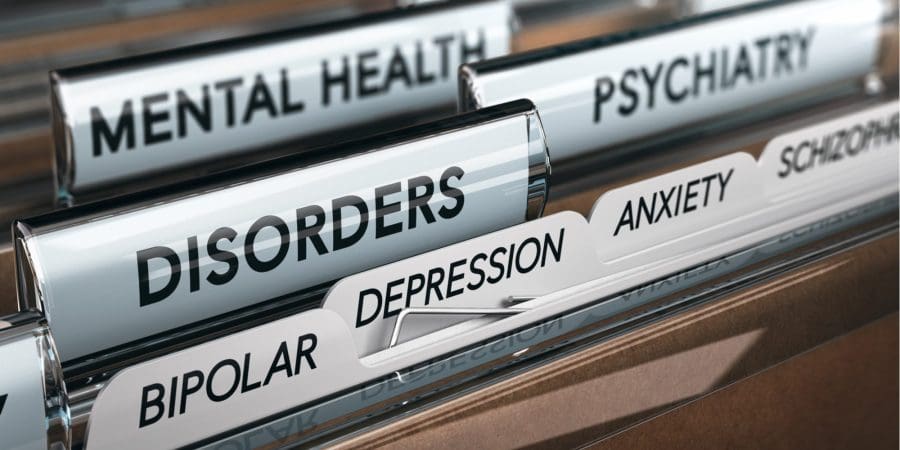
If someone you care about is struggling with suicidal thoughts, the intervention should focus primarily on their safety and having them reach out for help right away. Suicidal ideation is a symptom that occurs frequently as a result of untreated mental health disorders such as:
- Depression
- Anxiety
- Bipolar disorder
- Addiction to drugs or alcohol
Mental health crisis intervention is extremely important in treating these disorders before they lead to urgent, dangerous, or even deadly situations.
2. Intervention Counseling
Counseling is a great intervention tool for a variety of reasons. First, a mental health professional, such as a licensed counselor, can walk you and your loved one through challenging conversations in a safe environment.
Moreover, intervention counseling in an inpatient treatment program can incorporate approaches to emotional, mental, and behavioral challenges with therapies such as:
- Individualized therapy
- Group therapy
- Family counseling
- Discharge planning
Through counseling, patients will learn healthy coping mechanisms to handle stress as well as how to manage their mental health symptoms in general.
3. Psychological Interventions
Psychological interventions are similar to counseling interventions in that they involve evidence-based techniques to help patients recover from mental health challenges. More specifically, though, psychological interventions work to help the patient with long-term recovery. This is particularly important for people who have both mental health and substance use disorders.
Psychological interventions get to the root of the problem through different treatment approaches, including:
- Cognitive behavioral therapy (CBT)
- Dialectical behavior therapy (DBT)
- Medication evaluation and management
- Psychotherapy
- Trauma therapy
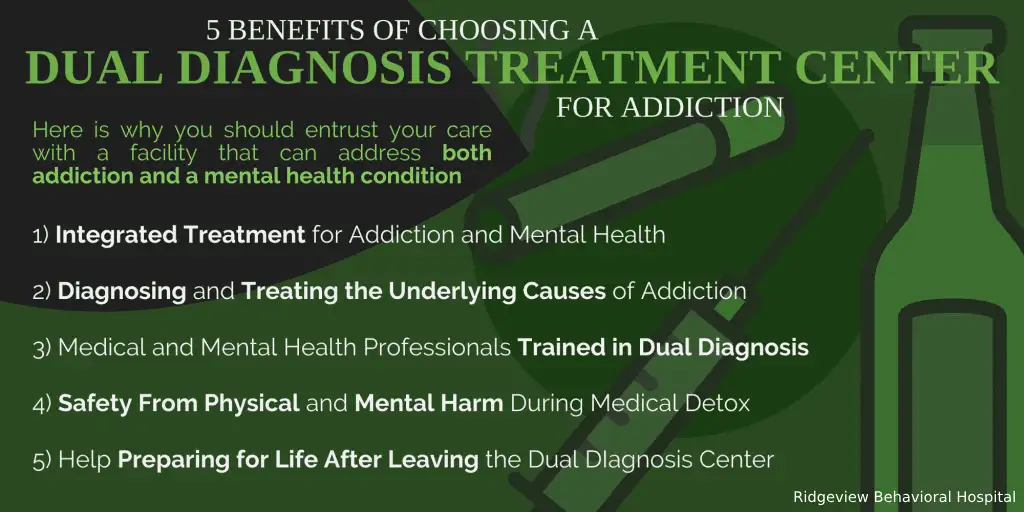
- Dual diagnosis treatment
How to Treat Mental Illness
There is not just one way to prevent or treat mental illness. In reality, improving one’s mental health is a collective effort that combines physical, mental, and emotional work. If you are trying to be proactive about these concerns, there are certain activities to improve mental health, such as exercising, eating healthy, and sleeping well. Practicing mindfulness can also help you to cope with stress in the moment so that you can stop the worries before they spiral out of control.
On top of that, being mentally well is easier when you have a support system. Being surrounded by others who practice sobriety, emotional wellness, and overall positivity can greatly impact how you feel as well. This also includes your team of mental health professionals.
In these times, having access to safe socialization and mental health treatment is crucial. If you are considering holding an intervention for somebody you love or if you yourself become the focus of a mental health intervention, know that there are options out there for you to recover in an environment that encourages healing.
Mental Health Interventions in Treatment
At Ridgeview Behavioral Hospital, we work to provide patients and their loved ones many different opportunities to recover from mental health struggles. Our mental health treatments empower individuals to mend the past, heal the present, and prepare for a better future.
We know how hard it can be to watch somebody you care about struggle with their mental health—voicing your concerns through an intervention often feels like the only thing you can do. But through the treatment programs at Ridgeview Behavioral Hospital, we take your worries and create a plan of action.
Mental health interventions don’t have to be a rollercoaster of emotions. Instead, these interventions can work to keep your loved one safe and on a path toward recovery.
FAQ
- What are the main types of mental health interventions?
Mental health interventions can include crisis intervention, counseling, psychological therapies like CBT and DBT, and support for substance use disorders. - When should I seek a mental health crisis intervention?
A crisis intervention is needed when someone shows immediate signs of danger, such as suicidal thoughts, severe distress, or behavior that threatens their safety or others. - What treatment options are available for dual diagnosis in Ohio?
Dual diagnosis treatment programs address mental health disorders and substance use disorders together using therapies such as CBT, DBT, medication management, and psychotherapy. - What are the symptoms of opioid withdrawal?
Common symptoms include anxiety, sweating, nausea, agitation, insomnia, and muscle aches. Severe symptoms may include irregular breathing, rapid heartbeat, and seizures. - How do I start treatment for opioid addiction in Ohio?
Individuals can begin with a medically supervised detox program followed by inpatient or outpatient addiction treatment. Ridgeview Behavioral Hospital offers structured detox and recovery services.